

by Staff, on Aug 10, 2026
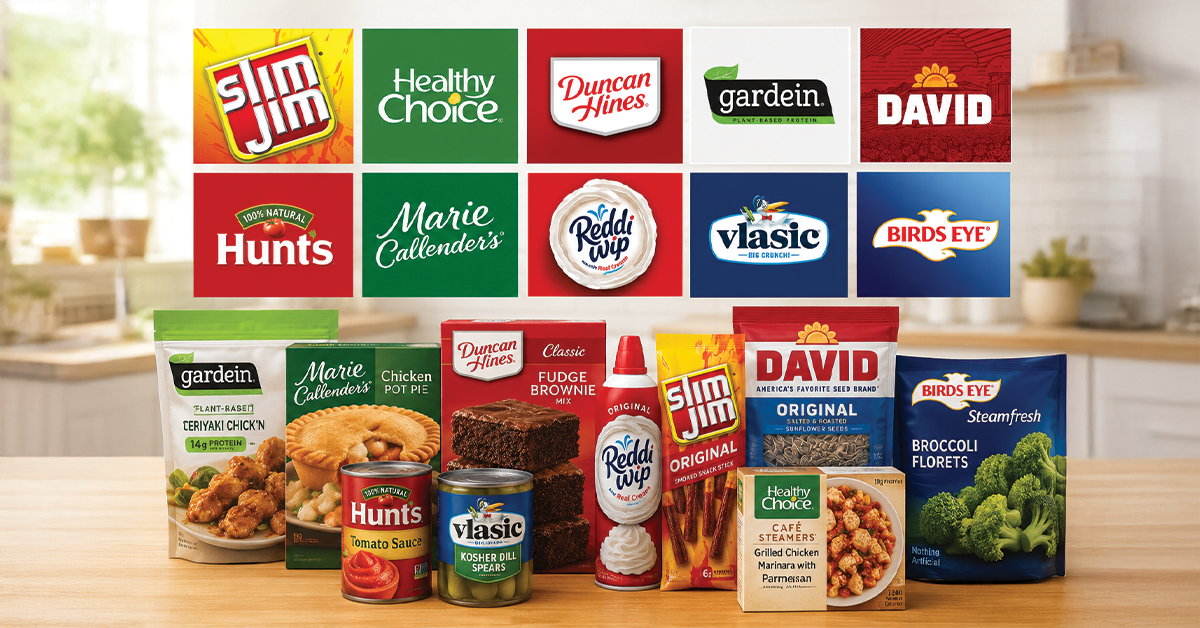
Conagra Brands is significantly increasing its investment in supply chain resilience as part of a broader fiscal 2027 strategy aimed at improving operational flexibility, reducing manufacturing costs, and positioning the company for long-term profitable growth. Conagra Brands is a member of Food Shippers of America (FSA).
 During the company's fourth-quarter fiscal 2026 earnings call, the company’s newly appointed President and CEO John Brase said Conagra will make meaningful investments in both its brands and manufacturing network after taking steps to improve its capital allocation strategy.
“As I immerse myself in the business, I see several near-term opportunities to strengthen the business including stabilizing and restoring our margin profile, increasing investment behind our brands and supply chain, driving simplicity and reducing complexity across the organization, and enhancing our financial flexibility,” he says. “Taking action against these opportunities will improve our competitiveness, build a strong foundation for growth, and help unlock the full potential of our portfolio.”
The company plans to increase capital expenditures to approximately $550 million in fiscal 2027, representing an incremental $125 million compared to the prior year. According to Brase, these investments are intended to strengthen supply chain resilience while lowering costs by bringing additional production in-house.
"It's really going to help drive supply chain resilience and also lower cost by moving more production in-house," Brase says.
In-Sourcing as a Supply Chain Strategy
Executives indicated that approximately $100 million of the additional capital spending will support larger in-sourcing initiatives, including protein production projects. The investments are expected to reduce reliance on external manufacturing partners while improving operational control across the company's manufacturing network.
 Long-term capital expenditure framework remains between 4% and 5% of net sales, with fiscal 2027 expected to be at the upper end of that range as the company accelerates modernization initiatives, says Matthew Neisius, Senior Director of Investor Relations.
The increased investment comes alongside several financial actions designed to create greater flexibility.
Conagra recently reduced its annual dividend by 50%, a move executives said supports two objectives: accelerating debt reduction toward a long-term net leverage target of 3.0x while simultaneously freeing capital for strategic reinvestment.
Brase emphasized that achieving the leverage target will provide the company with greater strategic flexibility to reshape its portfolio over time while continuing to invest in the business.
Balancing Growth and Efficiency While Simplifying Operations
Beyond manufacturing investments, Conagra also plans to increase brand-building spending by $40 million, a 14% increase over the prior year. Executives described both the marketing and supply chain investments as complementary initiatives designed to improve long-term competitiveness.
Brase characterized the increased spending as an initial step toward improving efficiency while positioning strategic growth brands for stronger consumer demand. He also indicated the company will continue evaluating additional investment opportunities that can accelerate profitable growth.
Another component of Conagra's strategy is reducing operational complexity.
Brase says the company is conducting a comprehensive review of approximately 5,500 SKUs, with each product being evaluated based on consumer demand and its value to the enterprise.
The objective is to simplify the portfolio and allow the organization to focus resources where it has the greatest opportunity to compete effectively.
"Complexity can be the enemy of execution," Brase says, noting that simplification should improve operational effectiveness while supporting future portfolio reshaping.
Focus on Resilience Amid Ongoing Inflation
Conagra's investments come as the company continues to manage an inflationary environment. Management says it expects approximately 5% inflation during fiscal 2027, with productivity initiatives serving as the primary offset alongside planned pricing actions later in the fiscal year.
Taken together, the company's fiscal 2027 strategy reflects a deliberate effort to strengthen manufacturing capabilities, improve supply chain resilience, simplify operations, and create a more efficient cost structure while maintaining the flexibility to pursue longer-term portfolio optimization.
Mitigating Operating Risks by Anticipating Supply Chain Disruptions
In recent years, the food industry has been impacted by supply chain disruptions, transportation issues, labor challenges and continued changes in global economic conditions — which have impacted and could continue to impact Cargill’s operations and profitability, according to its 2025 Annual Report.
Continued inflation, rising interest rates, decreased availability of capital, volatility in financial markets, declining consumer spending rates, recessions, decreased energy availability and increased energy costs (including fuel surcharges) have in the past caused and could continue to cause challenges for Cargill, the company’s suppliers, vendors, customers and consumers of its products and may negatively impact its profitability.
These supply chain disruptions have impacted Cargill’s ability to source ingredients and manufacture and distribute products, says the company, and may make it difficult for customers to accurately forecast and plan for their purchases of Cargill’s products to optimize restocking, all of which could negatively impact the company’s business and profitability.
Related Articles:
- 70th Annual Conference: The Economy, Collaboration, AI, Fraud & Theft
- Adapt to Deliver: Driving Resilience through Talent and Technology
- Starbucks Makes Supply Chain Investments for Climate Resilience
- Cargill Chartered Ship Tests Wind Power at Sea
- Cargill Soybeans: Food Chain Snapshot
Like this kind of content? Subscribe to our "Food For Thought" eNewsletter!

Now more than ever, professionals consume info on the go. Distributed twice monthly, our "Food For Thought" e-newsletter allows readers to stay informed about timely and relevant industry topics and FSA news whether they're in the office or on the road. Topics range from capacity, rates and supply chain disruption to multimodal transportation strategy, leveraging technology, and talent management and retention. Learn More