

by Acme Distribution | Thought Leadership, on Feb 05, 2026
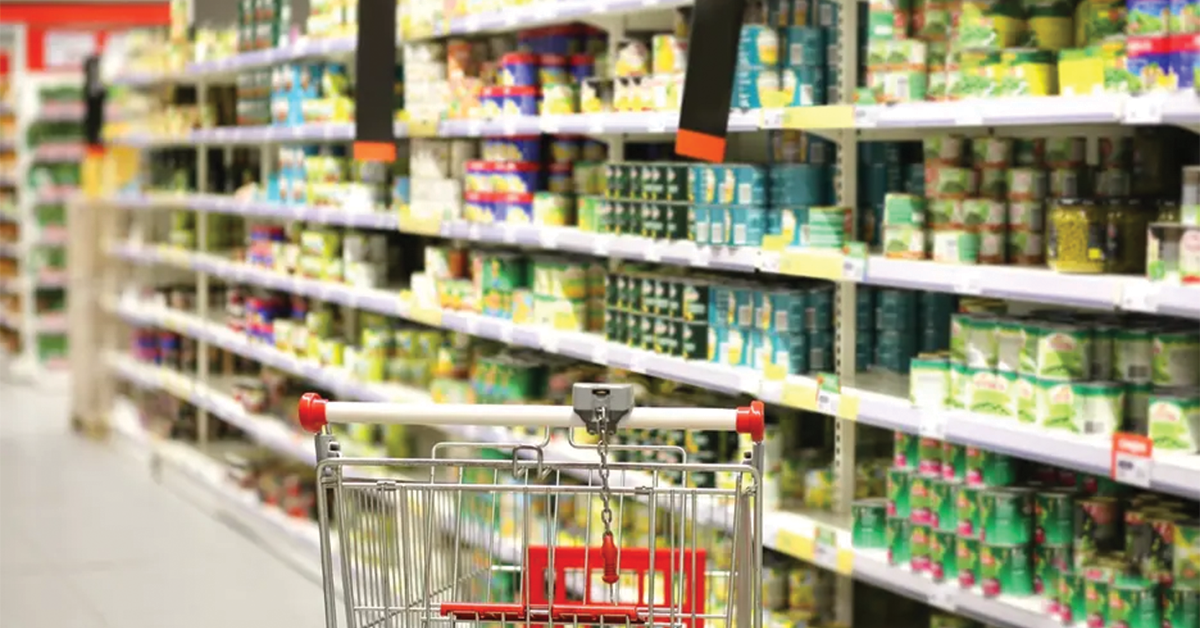
When grocery products move through high-volume distribution networks, maintaining freshness and meeting retailer compliance requirements depends heavily on how the warehouse operation is designed and executed. At Acme Distribution in Denver, Colorado, our approach to grocery distribution is built around standardized inbound and outbound execution, strong data visibility, and flexible capacity planning. The goal is simple: eliminate surprises. When operators and shippers have clear insight into what’s moving, what’s aging, and what’s shipping before issues arise, freshness and compliance become repeatable outcomes rather than daily fire drills.
The Real Challenges Facing High-Volume Grocery Shippers
As grocery networks grow more complex, several pressures consistently threaten product freshness and retail performance:
- Volume volatility
Promotions, seasonal surges, and demand spikes, short lead times, and growing SKU proliferation strain fixed labor models and rigid layouts. Without flexibility, speed wins over discipline. - Limited forward visibility
When aging inventory is only discovered after it becomes urgent, shippers are forced into reactive decision-making that erodes shelf life and margin. This is often compounded by disconnected warehouse, transportation, and inventory systems that limit proactive insight. - Facility constraints
High-density, ambient storage is essential for cost efficiency, but without intentional slotting and access planning, slower-moving SKUs can get trapped behind newer receipts. Aisle widths, ceiling heights, and material-handling equipment limitations can further exacerbate these bottlenecks. - Case-pick complexity
Mixed-SKU orders, promotional assortments, and DSD requirements increase handling complexity and execution risk. Managing lot control, expiration dates, and pick sequencing adds further operational challenges for perishable or date-coded items. - Retail compliance risk
Retailers judge performance by what arrives at the dock: correct format, correct timing, correct documentation. Internal intent doesn’t matter if execution falls short. Failures can lead to chargebacks, penalties, and strained retailer relationships, making compliance a critical performance metric.
Designing Operations for Freshness
At Acme Distribution, we view freshness, speed, and compliance as design problems, not behavioral ones. The solution is an operating model that aligns systems, layout, labor, and communication.
Key elements include:
- Standardized inbound and outbound processes
Predictability starts at the dock. Consistent receiving, putaway, and shipping workflows stabilize turnaround times and protect downstream execution, especially during peak periods. Integrated systems ensure inbound and outbound data flows seamlessly across WMS, TMS, and ERP, giving operators proactive insight into inventory and orders. - Optimized ambient warehouse design
Most grocery distribution lives in ambient space. We maximize cubic capacity through high-density racking while using slotting and flow analysis to keep fast-moving SKUs close to outbound lanes. This reduces travel time without sacrificing accessibility for slower movers. Storage and equipment capacity are dynamically allocated to handle surges in volume, peak promotions, or seasonal SKUs. - Inventory rotation as a system outcome
FIFO and FEFO are enforced through layout, slotting logic, and system guidance, not manual policing. Date-sensitive inventory stays visible and actionable, even at high pallet volumes. Lot control and expiration management are embedded into system rules, automatically flagging short-dated or priority items. - Lean flow and reduced touches
Minimizing handoffs and bottlenecks lowers error rates and accelerates product movement from receiving to shipping. Picking strategies and workflows are designed to handle mixed-SKU and promotional assortments without slowing throughput. - Real-time visibility and reporting
Dashboards provide insight into inventory flow, aging exposure, order velocity, and outbound performance. Shippers can forecast demand, identify risk early, and plan labor with confidence. Retail compliance metrics are tracked in real time, ensuring shipments meet format, timing, and documentation standards before leaving the warehouse. - Flexible labor and equipment planning
Labor and material-handling resources scale dynamically based on daily throughput, promotional activity, and seasonal demand. Discipline holds even when volumes surge. Dock doors, handling equipment, and storage zones are also flexed to match labor and order volume, ensuring continuous flow without bottlenecks.
Day-to-Day Collaboration with Retailers
Strong operations don’t run in isolation. They run in sync with retail partners, supported by shared data, standardized processes, and consistent execution inside the warehouse.
Daily order transmissions and EDI connectivity keep real-time demand front and center, feeding directly into warehouse systems that guide inventory allocation, labor planning, and order sequencing. Regular operational check-ins cover fill rates, appointment performance, delivery results, and retailer-specific requirements, using real-time visibility into inventory age, order status, and outbound execution. Forecasting and peak-planning reviews happen before seasonal pushes, not during them, allowing capacity, slotting, and labor plans to be adjusted in advance.
When exceptions occur, whether scheduling conflicts or product discrepancies, they’re resolved in real time, with immediate insight into inventory location, lot status, and shipment readiness, protecting store-level execution and shelf availability.
Managing Complexity Without Slowing Down
Freshness and compliance at scale are not the result of one policy or one best practice. They are the outcome of how a distribution operation is designed, connected, and managed day after day. The difference between predictable performance and constant exception management often comes down to whether systems, layout, labor, and visibility are working together, as a single operating model, rather than operating in silos.
By aligning storage strategies, picking logic, and warehouse management systems, complexity is absorbed into the flow of daily execution without sacrificing throughput, accuracy, or compliance.
When grocery operations are designed this way, several benefits consistently emerge:
- Freshness becomes predictable, even during peak volume periods
- Short-dated inventory is identified and managed earlier, not reactively
- Retail compliance violations and chargebacks are minimized
- Labor planning improves alongside service performance and throughput
- Shippers gain confidence, not just capacity but from their 3PL partner
As grocery networks grow more complex and retail expectations continue to rise, shippers will increasingly need partners who understand that reliability is engineered, not improvised. The future of grocery distribution belongs to operations that can move high volumes efficiently while still delivering the consistency retailers demand — and consumers expect — every time a product reaches the shelf. To learn more about how Acme Distribution can help ensure success with your product visit www.acmedistribution.com.
Like this kind of content? Subscribe to our "Food For Thought" eNewsletter!

Now more than ever, professionals consume info on the go. Distributed twice monthly, our "Food For Thought" e-newsletter allows readers to stay informed about timely and relevant industry topics and FSA news whether they're in the office or on the road. Topics range from capacity, rates and supply chain disruption to multimodal transportation strategy, leveraging technology, and talent management and retention. Learn More