by Brian Everett, on Oct 27, 2026
For decades, the basic food distribution model was relatively straightforward: manufacturers produced products by the case or pallet, logistics providers moved them through distribution centers, and retailers ultimately put them into the hands of consumers. That linear model is rapidly giving way to something much more complicated.
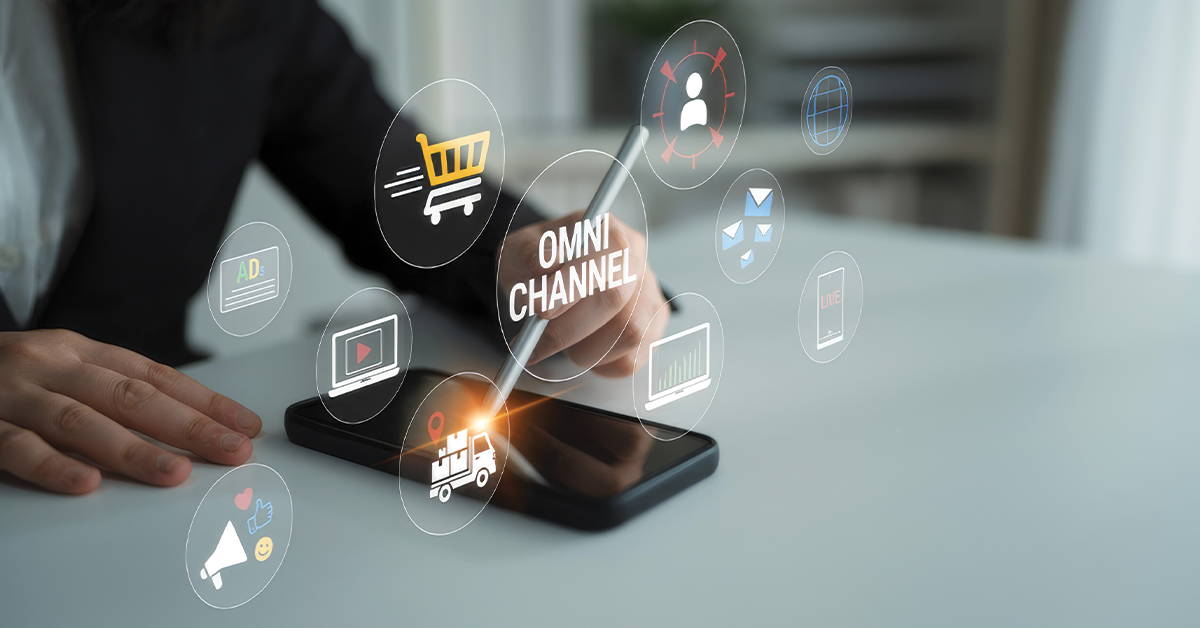
In fact, today’s omnichannel fulfillment practices are changing where inventory sits, how orders are filled, and what food companies expect from their logistics partners. A consumer might buy groceries during a traditional supermarket visit, place an online order for curbside pickup, request same-day home delivery, order through a third-party platform or purchase a product directly from a food brand. Increasingly, consumers move among several of those channels rather than committing to just one.
McKinsey’s recent State of Grocery North America Report suggests this behavior is becoming increasingly entrenched. Its survey of nearly 5,000 grocery shoppers conducted in March 2026 found that omnichannel customers (those shopping both online and in stores) allocated 31% of their grocery spending to a given retailer, compared with 26% among customers who shopped that retailer only in stores.
This underscores why e-commerce is not merely a channel but a critical component of a broader omnichannel growth strategy in which grocers serve multiple shopping missions and capture a greater portion of total spend. Grocers are also starting to experiment with social and content-driven commerce models connecting discovery directly to basket building.
For example, Walmart’s recent partnership with Pinterest allows consumers to add ingredients from recipe content directly into online grocery carts for pickup or delivery. In another example, Kroger Precision Marketing reported in April that 90% of shoppers are shopping online as much as — or more than — they did a year ago, even though 74% of shopping trips still take place in stores. These illustrate an important reality: digital isn't replacing physical grocery. The two are becoming intertwined.
For food manufacturers, retailers and their logistics partners, this means the challenge isn't simply e-commerce fulfillment. It's omnichannel fulfillment—positioning inventory so the same supply chain can efficiently serve stores, distribution centers, pickup orders, home delivery and, in some cases, direct-to-consumer purchases.
This is forcing companies to rethink nearly every part of the food supply chain.
Transitioning From Pallets to Individual Orders
Food manufacturers traditionally have been effective at producing and shipping large quantities. But moving a truckload of cases to a retailer's DC is fundamentally different than fulfilling an order containing two bags of chips, a jar of sauce and a box of cereal destined for someone's front doorstep.
PepsiCo illustrates just how many distribution models can coexist within one organization. The global food and beverage company uses direct-store delivery for products requiring frequent replenishment and merchandising, customer-warehouse delivery for other products, third-party distributor networks and e-commerce channels. PepsiCo says its products also are sold directly to consumers through a growing number of company-owned and third-party e-commerce sites and mobile applications. “We've strategically reshaped nearly a third of our portfolio, built advantaged digital capabilities, and delivered industry-leading Jeff Harmening cost efficiency,” says Jeff Harmening, Chairman & CEO of General Mills. With its Accelerate strategy as the guide, the global food company is making bold choices to deliver remarkable experiences for consumers across its total product offering, including product, packaging, brand communication, and omnichannel execution.
Direct-to-consumer isn't likely to replace traditional grocery distribution for major food companies. However, it can serve another purpose: provide a direct connection with consumers, generating data, and allowing companies to experiment with products, bundles and buying experiences.
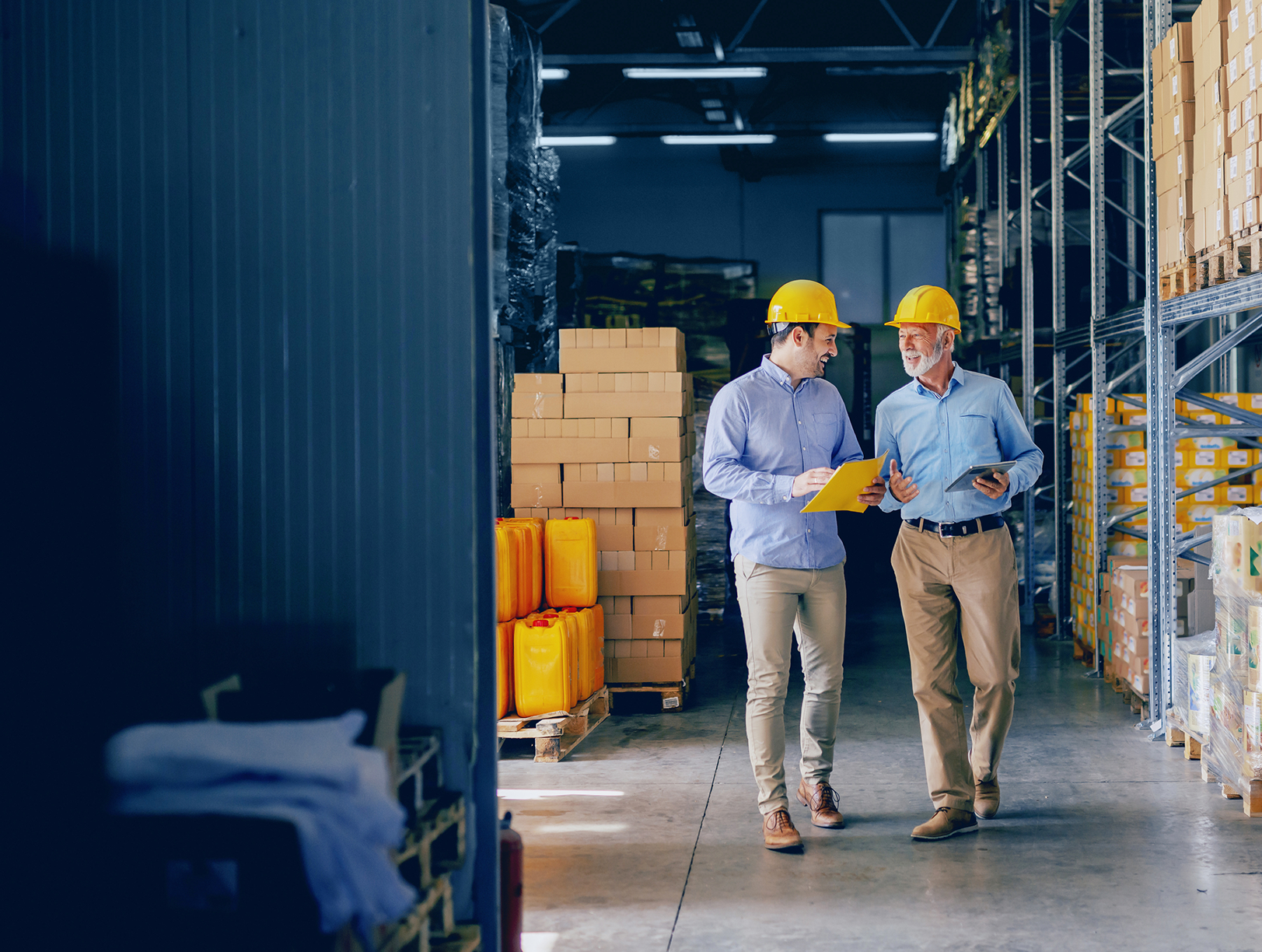
The logistics implication is significant. A network designed around pallets, cases and predictable replenishment suddenly may need to accommodate each — picking, parcel shipments, customized packaging and much shorter delivery windows.
Inventory Has to Be in the Right Place
Omnichannel also changes one of the oldest questions in supply chain management: Where should inventory exist?
Holding too much product in too many locations ties up capital and increases the risk of spoilage and obsolescence. Centralizing inventory can lower carrying costs but make fast fulfillment more difficult. Food companies have the added complications of shelf life, temperature-sensitivity, lot tracking, and food safety.
This is where advanced analytics and AI are becoming increasingly valuable. Instead of relying primarily on historical sales and static forecasts, companies can combine point-of-sale information, digital browsing behavior, promotions, weather, local demand patterns and other signals to determine not only what consumers may buy, but where and when they'll want it. The ultimate goal is moving from reactive fulfillment toward predictive positioning.
For logistics providers, this creates an opportunity to become more than “logistics vendors.” Providers with visibility across transportation, inventory and distribution networks can help customers determine where inventory should reside, when it should move, and which fulfillment point should serve each order.
The Store Becomes Part of the Distribution Network
Perhaps no company demonstrates this transformation better than Walmart, which describes itself as a “people-led, tech-powered omnichannel retailer.” Walmart reports that substantially all of its U.S. stores now provide same-day pickup and delivery. Its omnichannel strategy integrates stores with e-commerce and includes expedited delivery, in-home delivery and digital pharmacy fulfillment.
This is an important distinction in general context. A retail store is no longer simply the final destination for inventory. It can simultaneously function as a shopping destination, pickup location and localized fulfillment node.
Walmart also continues to connect supplier information more closely with store execution. In February 2026, it introduced Scintilla In-Store, which gives supplier representatives access to real-time data, actionable metrics and tasks intended in part to reduce out-of-stocks and improve omnichannel execution. This type of visibility can become increasingly important because an inventory discrepancy isn't merely an inconvenience anymore. If a system tells an online shopper that an item is available but it isn't actually on the shelf—or available to the associate picking an online order — the problem affects both store operations and the digital customer experience.
Not Every Fulfillment Model Works Everywhere
The race toward automation also is revealing another important lesson: There is no single omnichannel model that works for every market.
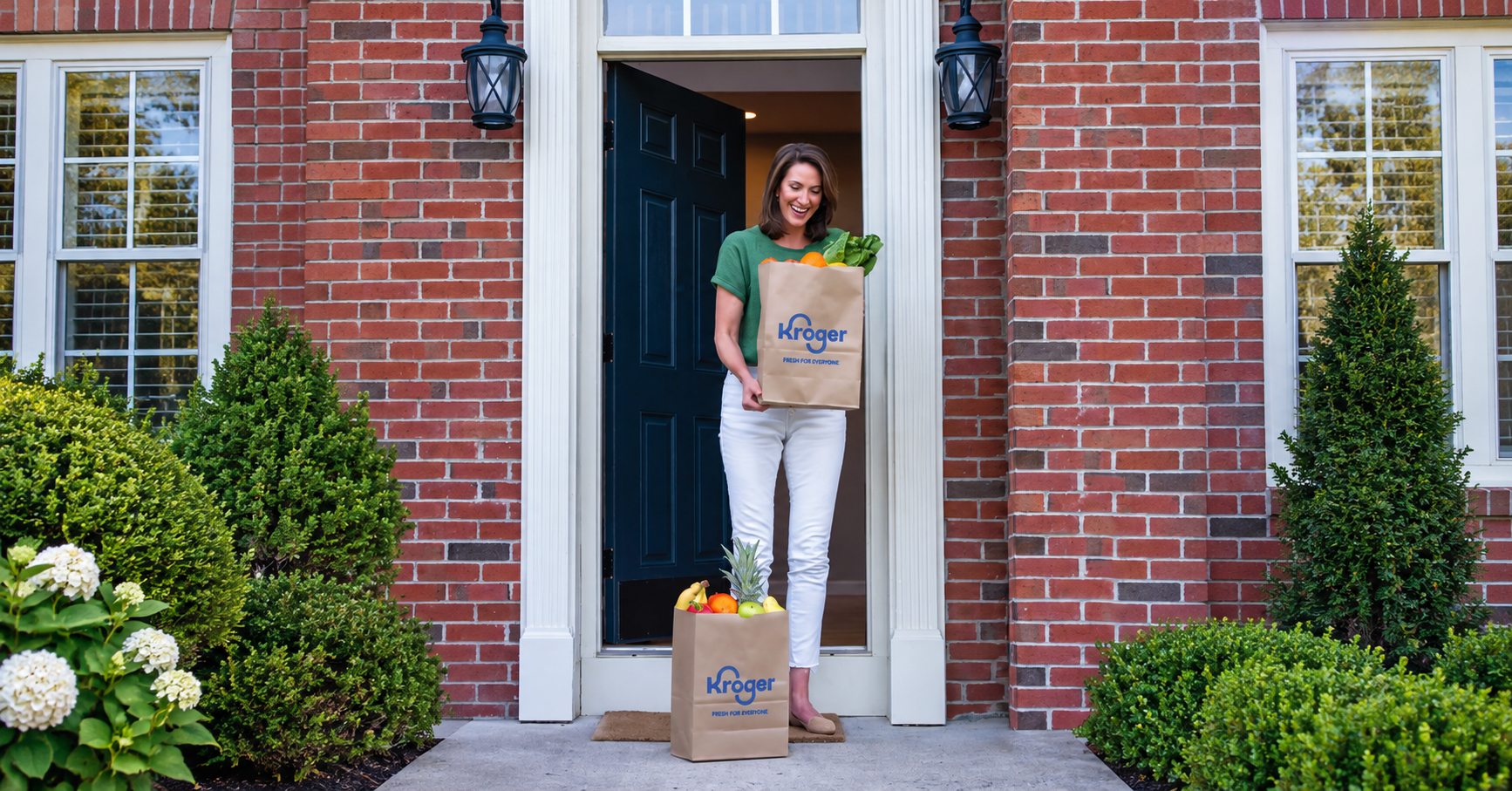 Kroger offers home delivery in select markets through a combination of stores, customer fulfillment centers and third-party platforms.
For example, Kroger offers pickup at 2,408 supermarkets and delivery through a combination of stores, customer fulfillment centers and third-party platforms. The large retailer describes e-commerce as an important growth driver and expects digital grocery sales to grow faster than the overall food-at-home market over time.
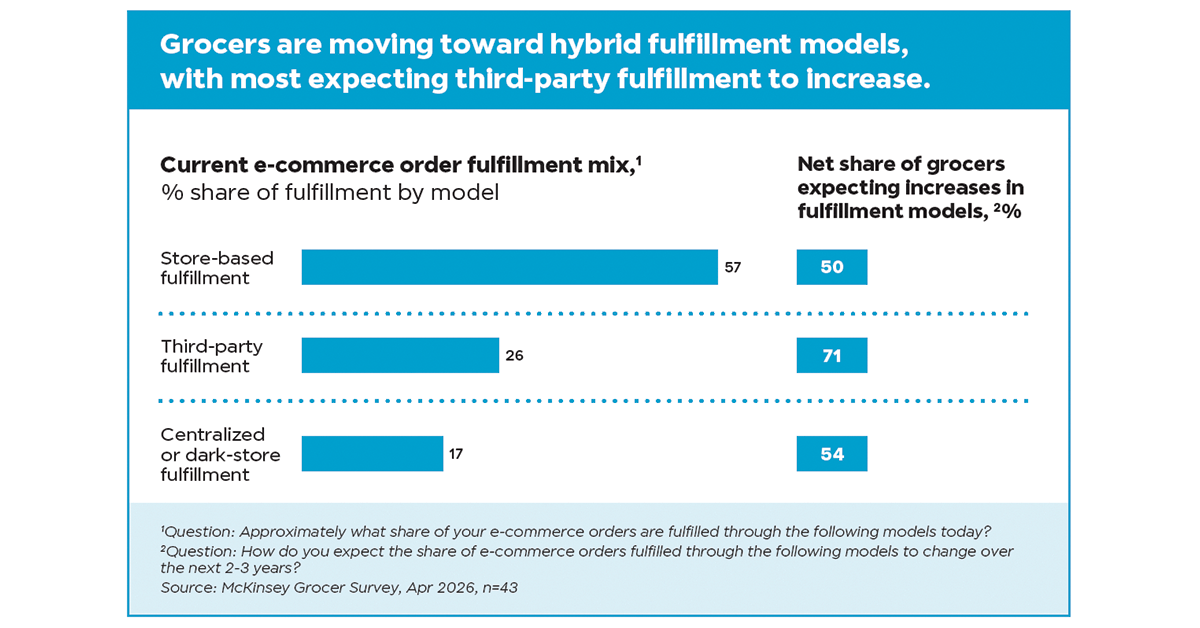
Kroger also has adjusted its fulfillment strategy. Following a review of its automated fulfillment network, the company decided to close facilities in Pleasant Prairie, WI; Frederick, MD; and Groveland, FL, and canceled a planned Charlotte, NC, location. Kroger said it would continue using its store footprint, third-party delivery providers and automated fulfillment facilities where they make operational and economic sense.
Kroger provides an instructive example for the broader food industry. Automation can dramatically increase productivity, but sophisticated technology doesn't eliminate the underlying economics of fulfillment. Order density, delivery distance, labor expense, inventory velocity and customer adoption still matter. Therefore, the best network may be a hybrid — automated fulfillment in some markets, store-based fulfillment in others, and third-party logistics partners filling the gaps.
Food Adds Another Layer of Complexity
Of course, selling groceries online isn't the same as selling books or electronics. Temperature-controlled products have limited delivery windows. Fresh foods have short shelf lives. Frozen products require uninterrupted cold chains. Traceability requirements can follow products through multiple nodes.
Add labor shortages, sustainability goals and pressure to reduce transportation costs, and the challenge becomes even more complicated.
Faster delivery also can work against supply chain efficiency. Sending more vehicles with smaller loads over shorter intervals may improve service while increasing transportation expense and emissions. This is why network design is critical to overall supply chain strategy. The objective shouldn't simply be faster fulfillment. Rather, it should be finding the right combination of service, inventory, transportation, and cost for the product and customer.
Collaboration Becomes the Competitive Advantage
The biggest shift may ultimately be organizational rather than technological.
Omnichannel fulfillment blurs the traditional boundaries between manufacturer, retailer and logistics provider. Forecasting affects inventory. Inventory affects warehousing. Warehousing affects transportation. Transportation affects customer experience and consumer behavior feeds information back through the entire system.
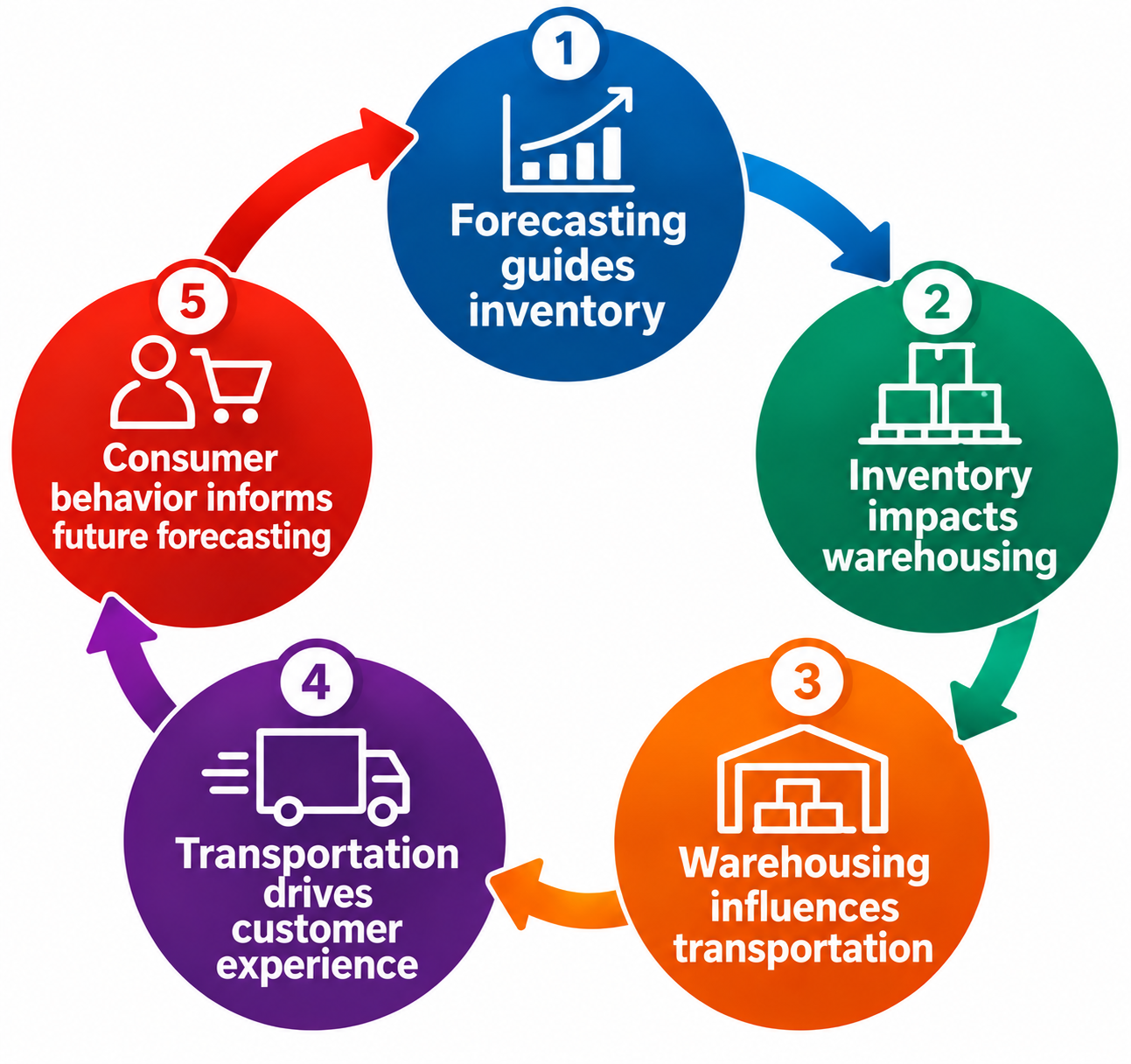
Optimizing one function independently can simply push costs or inefficiencies somewhere else. That's why collaborative planning, and subsequently shared data, is becoming so important.
Manufacturers such as Kraft Heinz, PepsiCo, Nestlé, General Mills, and Conagra Brands increasingly operate in a marketplace where their products may reach consumers through multiple physical and digital paths. At the same time, retailers such as Walmart, Costco, Kroger, and ALDI are building their own combinations of stores, pickup, delivery and digital commerce.
The logistics companies positioned to create the greatest value in this environment won't necessarily be those with the most trucks or warehouses. They'll be the ones capable of connecting those pieces.
Because the future food supply chain isn't simply about moving a product from Point A to Point B. It's about having the visibility and agility to determine, in real-time, where Point B needs to be.
Related Articles:
- Fast Delivery Gains Momentum in Food Retail
- Ahold Delhaize-Owned Chains to Close Centralized Fulfillment Centers in Omnichannel Grocery Delivery Strategy Shift"
- Kraft Heinz: New Global Operating Structure to Accelerate Growth
- Amazon's Approach to Robotics Fulfillment
- Amazon Targets Carbon Emission Cuts at Grocery Fulfillment Centers
Like this kind of content? Subscribe to our "Food For Thought" eNewsletter!

Now more than ever, professionals consume info on the go. Distributed twice monthly, our "Food For Thought" e-newsletter allows readers to stay informed about timely and relevant industry topics and FSA news whether they're in the office or on the road. Topics range from capacity, rates and supply chain disruption to multimodal transportation strategy, leveraging technology, and talent management and retention. Learn More