
by Brian Everett, on Jan 23, 2026
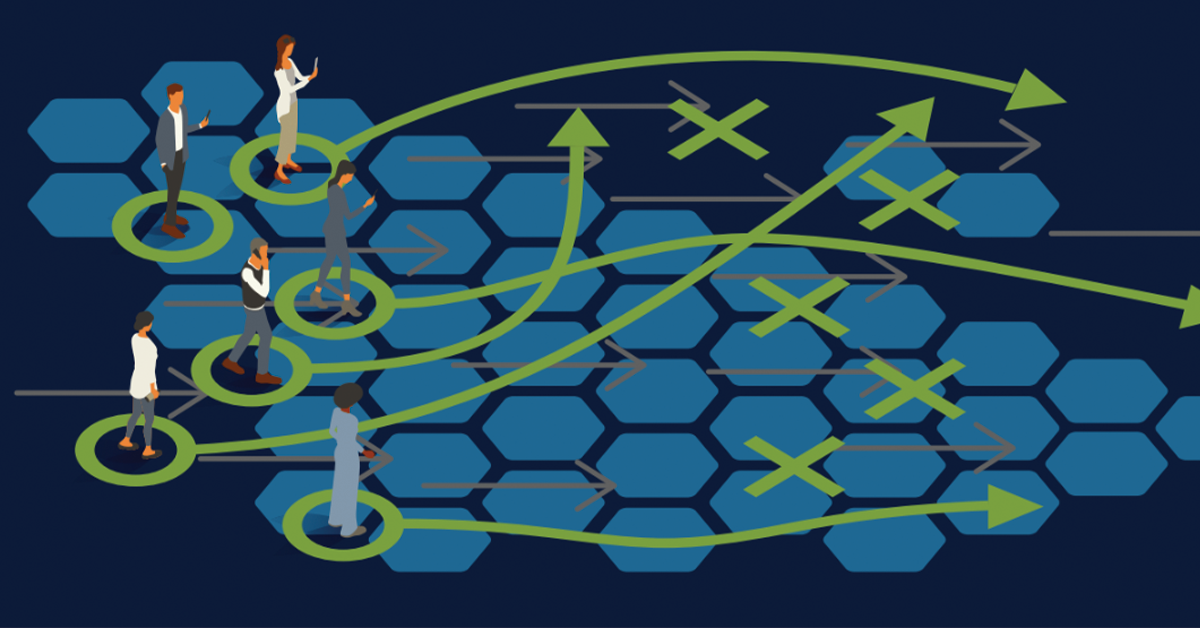
From plant floors to boardrooms, food manufacturers, retailers, and distributors are strategically rethinking how they attract, develop, and retain the workforce that keeps supply chains moving. This is particularly critical given in 2025, 62% of industry leaders identified labor shortages as a major short-term challenge for their operations, highlighting persistent talent constraints that could disrupt supply chain efficiency and growth initiatives.
 Talent management and human resources executives, along with supply chain executives who have responsibilities in this area, may not think of recruiting as a supply chain, but Blair Bennett, Senior Vice President, Global Talent Acquisition with PepsiCo, says that’s how her team sees it.
“We are supply chain for talent,” according to Bennett, who recently spoke at HCI’s Spark Talent Conference. “It’s how to think about the massive strategic, operational, logistical puzzle that we have to put together. We could be thinking about one niche skillset role in China, or we could be thinking about how we hire hundreds of people as we open a new facility or manufacturing plant in Poland.”
Creating a Blueprint for a Future-Ready Workforce
Identify high-potential employees early and create tailored leadership tracks. Use mentorship programs to pass institutional knowledge to emerging leaders. Implement job rotations and stretch assignments to prepare employees for broader responsibilities. Conduct succession readiness assessments for key roles, updating regularly.
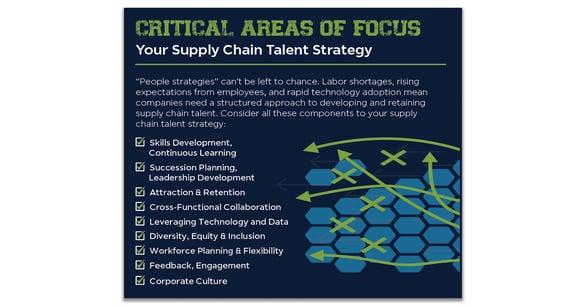
One solid example of a food company incorporating this? Nestlé’s 2025 people strategy explicitly links acquisition, retention, leadership development and preparing a “future-ready” workforce — a concise corporate statement you can cite for strategy + skills development. The company’s approach is based upon six key pillars: Talent Management; Employee Relations and Engagement; Organizational Design and Change Management; Diversity, Equity and Inclusion; Employee Health, Well-Being and Safety; and Compensation and Benefits.
Cargill’s Next Generation Graduate Program provides structured development through training and mentorship, aiming to develop strong internal talent for future leadership roles.
Building a Culture of Continuous Learning
Implement personalized training programs that address both technical skills (e.g., supply chain, automation, food safety) and soft skills (communication, problem-solving). Offer microlearning and digital courses accessible anytime, anywhere. Establish apprenticeships, rotational programs, and cross-training to broaden experience. Partner with universities, technical schools, and industry associations to offer certifications or upskilling programs.
Nestlé’s Learning & Development Programs are built partially on a global “Nestlé Academy” that provides training on everything from technical skills (supply chain, production, digital tools) to leadership and soft skills.
Beyond Hiring: Evolving Top Talent through Satisfaction
Competition for skilled workers is tough, especially in logistics, operations, and technical roles. To stand out, companies are offering more than just pay—they’re focusing on flexible work where possible, health and wellness programs, and a culture that ties employees to a bigger mission, like feeding communities or driving sustainability.
Bennett at PepsiCo advises recruiters they should never underestimate the power of their position, because their job is at the center of business strategy, “bringing that strategy to life with the talent that we bring into the organization.”
“Being a leader, if you think about how to recruit new capabilities … to identify things that are much more horizon two, horizon three, and where the business is going, we get to influence that through our conversations, through our recruiting efforts, through our own talent strategies … and help to build the DNA of the organization through talent,” she says.
Talent acquisition leaders also need to think about the strategic and operational aspects of how talent and behaviors are changing, and to create processes within that context of change, adds Bennett.
“We are constantly thinking about the evolution of our talent, of our prospective talent, and how we bring that through into the supply chain of talent into the company,” she says.
Where Tech Meets Talent
Use HR analytics to identify skill gaps, predict workforce needs, and improve retention. Implement AI-driven recruitment tools to match candidates to roles efficiently. Deploy digital learning platforms with adaptive learning paths. Track performance metrics, training completion, and engagement to continuously optimize talent strategies.
Nestlé is leveraging artificial intelligence to assess workforce readiness and connect professionals with roles that let them grow alongside new technology. The company partners with high-tech companies to ensure that employees are equipped with the necessary skills to thrive in an AI-enhanced environment. This approach supports both the company's transformation and the professional growth of its workforce.
General Mills has implemented AI-driven coaching to scale leadership development across the enterprise. The food manufacturer’s approach includes personalized, real-time guidance to leaders, enhancing decision-making and leadership capabilities.
Related Articles:
- Recruiting Young Supply Chain Talent
- Recruiting and Retaining Talent: "Find Your Why"
- Adapt to Deliver: Driving Resilience through Talent & Technology
- Storytelling: Attract & Retain Top Supply Chain Talent
- Navigating the Labor Shortage by Understanding Generational Differences
Like this kind of content? Subscribe to our "Food For Thought" eNewsletter!

Now more than ever, professionals consume info on the go. Distributed twice monthly, our "Food For Thought" e-newsletter allows readers to stay informed about timely and relevant industry topics and FSA news whether they're in the office or on the road. Topics range from capacity, rates and supply chain disruption to multimodal transportation strategy, leveraging technology, and talent management and retention. Learn More